Quilt No.542KG - Kristine Gray
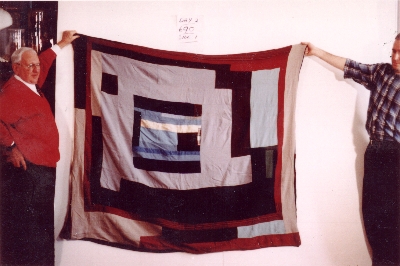
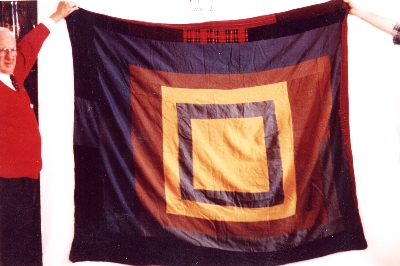
1780 x 1530mm
The quilt was made of necessity by Bessie Gray in Sydney in the mid 1940s. Bessie has given it to her daughter Kristine. It is not used.
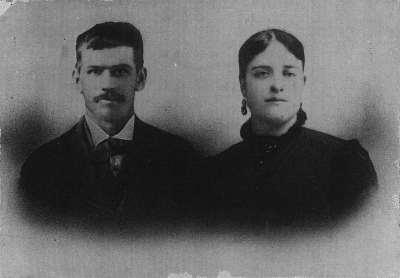
Robert (1857-1935) and Margaret (1865-1950) Mays were married at Hartley NSW in 1884. Robert came to Australia from Norfolk (England) in 1879. Margaret was the daughter of Samuel Perry a convict transported to Australia in 1835. They were pioneers of the Rydal district near Lithgow NSW. Robert and Margaret had 12 children.
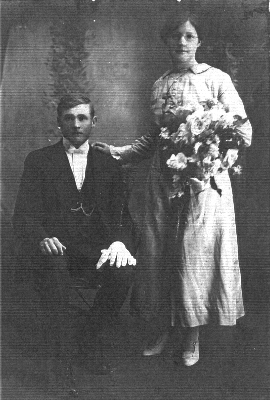
Margaret (Maggie) (1897-1981) was a daughter of Robert and Margaret Mays. She and Arthur Flint were married in 1919 and moved to Bassett Downs a sheep station at Cowra NSW where Arthur worked on the property and Maggie cooked for farm labourers and shearers. They had 4 children. Maggie made her own soap, preserves, jams, pickles, sauces bread etc. just as her mother and sisters did. She also made all her children's clothes on a treadle sewing machine. Like her mother she had neither electricity nor running water in her home.
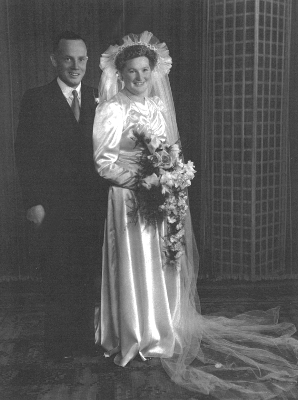
Bessie (born 1925)is a daughter of Margaret and Arthur Flint and grew up at Bassett Downs and lived there until she was 20 years old. She cooked for the shearers and did a man's job during the war, mustering, killing sheep, milking cows etc. She also learnt unarmed combat. Bessie married Ian Hamilton Gray in 1946 and they moved to the St. Mary's district NSW where they had 4 girls. This was the first time she had electricity and running water. Bessie ran the school canteen for 10 years, made her own pickles, jams, preserves etc. She also knitted , crocheted, embroidered and made all the children's clothes. Kristine, her daughter, remembers having her first bought dress when she was 13. Bessie is still an active needlewoman, knitting and crocheting for her grand children and Mission Austeralia. She has passed on her considerable skills to her daughters just as she learnt from her mother, Margaret Flint, who in turn had learnt from her mother, Margaret Mays.
Most of the quilts registered with the NQR were made by Bessie Gray at her home at St. Marys on a treadle sewing machine. All the quilts were made of necessity. Scraps left over from making the children's clothes were often joined when the garment was finished with and put away until there were enough joined pieces to make a quilt. The very heavy ones were called 'Waggas' and the others 'rugs' or 'blankets'. Many of the quilts were made in one large piece and then folded over. Bessie and Kristine Gray can still recall which garments many of the scraps came from.
The quilts are valued and will be handed on in the family with pride.
[Notes taken from family history accounts by Kristine Gray and also conversations Bessie Gray, Kristine Gray and Wendy Hucker (NQR) in Wagga Wagga on 2/3 October 1999]
Related Quilts:
2134 x 2134mm
Single bed length and width.
2850 x 2720mm
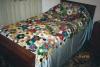
3050 x 2031mm
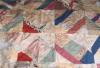
1960 x 1700mm
1170 x 920mm